Creating a winning T-shirt design is both an art and a science. With the global custom T-shirt printing market valued at over $4 billion in 2023, and projected to grow by 9.7% annually through 2030, it's clear that T-shirt design is more than just a trend—it’s a thriving industry. But what truly makes a T-shirt design successful? Beyond flashy graphics or catchy slogans, the best designs result from a thoughtful blend of creativity, strategy, and technical expertise.
Whether you’re a budding designer, an entrepreneur launching a clothing line, or simply a T-shirt enthusiast, understanding the core elements behind a top-notch T-shirt design can make all the difference. This article explores the essential components that distinguish memorable and marketable T-shirt designs, supported by real-world examples, industry data, and expert insights.
The Power of Purpose: Defining the Message and Target Audience
Every great T-shirt design starts with a clear purpose. Are you creating a shirt for a charity event, a corporate brand, a band, or a fashion statement? According to a 2022 Statista survey, 62% of consumers said the message or slogan on a T-shirt influenced their purchasing decision. This highlights the importance of defining not just what you want to say, but also who you’re saying it to.
Before sketching a single line, ask:
- What is the main goal of this T-shirt? (e.g., brand promotion, self-expression, humor, art) - Who is the intended wearer? (age, gender, interests, values) - What emotions or reactions should the design evoke?For instance, a T-shirt aimed at college students might feature bold colors and witty text, while a sustainability-focused brand may opt for minimalist graphics and eco-conscious messaging. By narrowing down your audience and purpose, you lay the groundwork for all other design decisions.
Visual Hierarchy: Making the Key Elements Stand Out
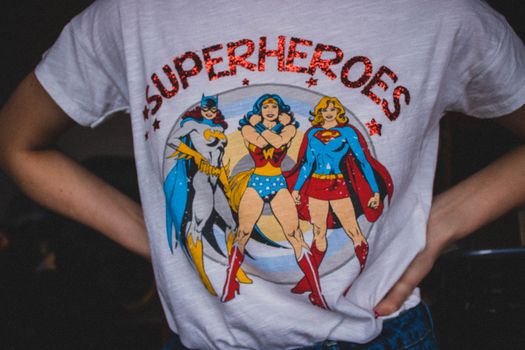
Visual hierarchy is the arrangement of design elements to guide the viewer’s eye and emphasize what’s most important. In T-shirt design, this often means prioritizing the main message, graphic, or logo so it stands out from supporting details.
Key principles of visual hierarchy in T-shirt design include:
- Size: The most important element (such as a slogan or image) should generally be the largest. - Color: High-contrast colors draw attention, while muted tones can recede into the background. - Placement: Designs centered on the chest are most common, but off-center or pocket placements can add interest. - Typography: Font choice and arrangement affect readability and mood.A 2021 Printful analysis found that T-shirts with clear focal points—such as a single graphic or bold statement—sold 30% better than those with cluttered or scattered designs. The table below compares common approaches:
| Design Approach | Average Sales Increase | Typical Use Case |
|---|---|---|
| Centralized Graphic | +30% | Event shirts, logo tees |
| All-over Print | +12% | Artistic, fashion-forward brands |
| Text-Only | +18% | Slogan, awareness campaigns |
| Multi-Element (Scattered) | -10% | Complex or illustrative themes |
This data illustrates that simplicity and clear focal points often yield the most effective and commercially successful T-shirt designs.
Color Theory and Fabric Considerations
Color is one of the most powerful tools in a designer’s arsenal. The right palette can make a design pop, evoke emotion, and even influence buying behavior. Studies by the Institute for Color Research show that people make subconscious judgments about products within 90 seconds, and up to 90% of those judgments are based on color alone.
When designing for T-shirts, consider the following:
- Contrast: Ensure sufficient contrast between design elements and the shirt color. For example, white designs on black tees are classic for a reason. - Color Psychology: Red suggests energy and passion, blue conveys calm and trust, while green is linked to nature and health. - Print Method Compatibility: Not all colors translate well to every printing method (screen printing, DTG, sublimation, etc.). - Fabric Type: The same color may appear differently on cotton, polyester, or blends due to differences in dye absorption and sheen.Designers often use Pantone Matching System (PMS) colors to ensure consistency across print runs. According to Custom Ink, T-shirts with 2-3 colors in the design tend to drive 25% more sales than monochromatic or overly complex color schemes.
Typography: Choosing and Arranging Fonts for Maximum Impact
If your design includes text, typography becomes a central element. The choice of font, spacing, and arrangement can make or break a T-shirt’s appeal. In fact, a 2023 SurveyMonkey poll found that 47% of T-shirt buyers listed “readability of text” as a top buying factor, second only to the overall graphic.
Best practices for T-shirt typography include:
- Legibility: Choose fonts that are easy to read from a distance. Avoid overly decorative or script fonts for main messages. - Hierarchy: Use font size and weight to emphasize important words or phrases. - Alignment: Centered, left, or right-aligned text can create different moods—centered feels balanced, while left-aligned can be more modern or informal. - Spacing: Adequate letter and line spacing (tracking and leading) prevent crowding and improve readability.Pairing fonts can add visual interest, but limit yourself to two complementary fonts per design to avoid clutter. Some of the most popular T-shirt fonts in 2024 include Montserrat, Bebas Neue, and Futura for their clarity and versatility.
Technical Execution: Print Methods and File Preparation
A great idea is only as good as its execution. The technical side of T-shirt design ensures your vision translates beautifully from screen to fabric. The most common print methods include:
- Screen Printing: Ideal for bulk orders and simple designs with few colors. Offers durable, vibrant prints. - Direct-to-Garment (DTG): Allows for complex, full-color images and small runs, but may have a softer feel. - Heat Transfer: Versatile for detailed designs but slightly less durable with repeated washes. - Sublimation: Best for all-over prints on polyester fabrics.To prepare your files for printing:
- Use vector graphics (AI, EPS, SVG) for logos and illustrations to ensure scalability. - Set resolution to at least 300 DPI for raster images (PNG, PSD). - Convert text to outlines to avoid font substitution issues. - Check color profiles (CMYK for printing) and include any Pantone colors.According to Printify, 40% of T-shirt design rejections stem from low-resolution files or improper file formats, highlighting the importance of technical accuracy.
Balancing Creativity with Market Trends
While creativity is at the heart of every memorable T-shirt, successful designers also keep an eye on current market trends. This doesn’t mean copying what’s popular, but rather understanding what resonates with audiences in the moment.
For example, sustainability-themed designs saw a 35% sales increase in 2023, reflecting broader consumer values. Similarly, retro and vintage-inspired graphics have made a strong comeback, particularly among Gen Z shoppers. Platforms like Etsy and Redbubble report that niche designs—such as those targeting specific hobbies or fandoms—consistently outperform generic graphics.
To strike the right balance:
- Monitor top-selling designs on major print-on-demand platforms. - Use tools like Google Trends and Pinterest to spot rising themes. - Blend trend elements with your unique style or brand identity.This approach ensures your designs remain fresh and relevant while retaining authenticity.
Final Thoughts on Crafting Successful T-Shirt Designs
Understanding the elements of a successful T-shirt design is crucial for standing out in a crowded marketplace. By defining your purpose and audience, mastering visual hierarchy, using color and typography strategically, handling technical details expertly, and staying attuned to market trends, you can create T-shirts that not only look great but sell well too.
Remember, the most impactful T-shirt designs are those where creativity meets clarity and execution. Whether you’re designing for fun, profit, or self-expression, these principles will help transform your ideas into wearable art that truly resonates.