Screen printing and direct-to-garment (DTG) printing have revolutionized the custom apparel world, each offering unique advantages for creators, businesses, and consumers alike. As demand for personalized clothing soars—projected to push the global custom t-shirt printing market past $10 billion by 2027—choosing the right printing method is crucial for quality, efficiency, and cost-effectiveness. Whether you are launching a fashion line, producing corporate swag, or creating one-of-a-kind gifts, understanding the core differences between screen printing and DTG printing can make all the difference in your project’s success.
This in-depth comparison demystifies both methods, analyzing costs, quality, production speed, environmental impact, and best-use scenarios. Through data, real-world examples, and a comprehensive comparison table, you’ll gain the insights needed to make an informed choice for your next apparel project.
The Fundamentals: How Screen Printing and DTG Printing Work
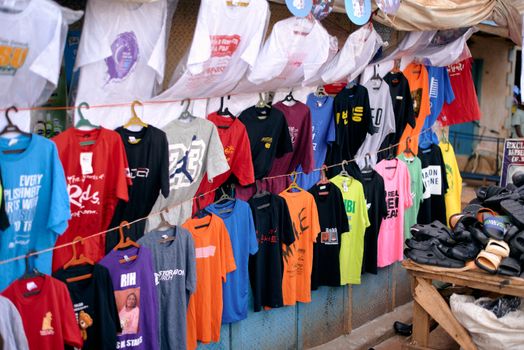
Screen printing, also known as silk screening, is a time-honored technique dating back over a thousand years. It involves creating a stencil (or “screen”), applying it to fabric, and manually or mechanically pushing ink through the mesh onto the garment. Each color in a design requires its own screen. This process is renowned for producing vibrant, durable prints, especially in bulk.
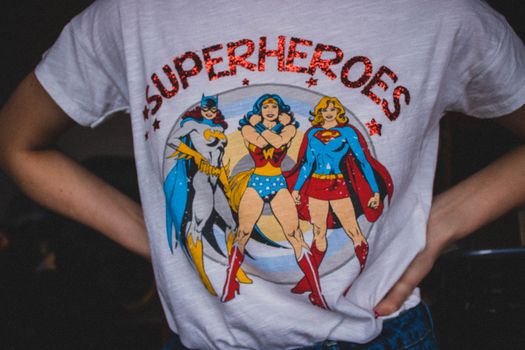
In contrast, direct-to-garment (DTG) printing is a modern digital process. Think of it as an inkjet printer for t-shirts. A DTG printer sprays water-based ink directly onto the fabric, allowing for intricate, full-color images with photographic detail. There are no screens or color separations—designs are printed directly from a digital file.
Key Differences:
- $1 uses physical screens and is ideal for simple graphics with limited colors. - $1 uses digital printers, excelling at complex, multi-color, or photographic designs.According to a 2021 industry survey, over 63% of print shops in the U.S. offer both screen printing and DTG, reflecting their distinct yet complementary strengths.
Cost Comparison: Upfront and Long-Term Considerations
Cost is a major factor in choosing a printing method, and both approaches present unique pricing structures.
- $1 Best suited for large orders. The initial setup involves creating screens for each color, which can cost $20–$50 per screen. However, once set up, the per-unit cost drops dramatically, sometimes as low as $1–$2 per shirt for runs of 100 or more. - $1 Minimal setup means lower costs for small orders—often $7–$15 per shirt for one-offs. However, the per-unit price doesn’t decrease much for larger quantities.Let’s see how the costs stack up for a typical order of custom t-shirts:
| Order Size | Screen Printing (Simple 2-Color Design) | DTG Printing (Full Color) |
|---|---|---|
| 1 shirt | $30 (due to setup fees) | $12 |
| 20 shirts | $6 per shirt | $11 per shirt |
| 100 shirts | $2.50 per shirt | $10 per shirt |
| 500 shirts | $1.50 per shirt | $9.50 per shirt |
As the table shows, screen printing becomes more economical as order sizes increase, while DTG remains steady regardless of quantity.
Print Quality and Durability: What to Expect from Each Method
Quality and longevity are core considerations for any custom apparel project.
Screen printing is celebrated for its vibrant, opaque colors and outstanding durability. The ink sits atop the fabric, creating a bold, tactile print that can withstand 50+ washes without significant fading. This makes it ideal for bold logos, athletic uniforms, and commercial merchandise.
DTG printing, on the other hand, excels at detailed, full-color designs, gradients, and photographic images. The water-based ink is absorbed into the fabric, resulting in a softer feel and a more “invisible” print, especially on lighter garments. However, DTG prints may be less vivid on dark fabrics and, depending on the quality of the printer and pretreatment, can show signs of fading after 30–40 washes.
Notably, a 2022 customer study found that 82% of consumers rated screen-printed shirts as “very durable,” compared to 67% for DTG-printed shirts.
Design Flexibility: Simple Graphics vs. Complex Artwork
The nature of your design plays a crucial role in deciding between screen printing and DTG.
Screen printing is best for: - Solid graphics and text - Designs with 1–6 colors (more colors increase cost and complexity) - Repeated logos or simple branding DTG printing shines when: - Designs include photographs, gradients, or intricate details - Artwork contains unlimited colors - Custom, one-off pieces are neededFor example, a local sports team ordering 200 shirts with a two-color logo would benefit from screen printing. Conversely, an artist printing a limited run of unique, full-color illustrations would find DTG more practical and affordable.
Production Speed and Order Flexibility
Turnaround time and the ability to produce variable quantities are increasingly important in today’s fast-paced, on-demand market.
Screen printing, due to its setup, is slower for small orders but blazingly fast for large runs. For example, once setup is complete, a professional shop can print up to 500 shirts per hour. However, producing a single shirt can take hours, given the time needed for screen creation and setup.
DTG printing offers unmatched flexibility for small batches and one-offs. A single shirt can be printed in as little as 10 minutes, with no setup delay. But for large orders, DTG is slower per unit—most desktop DTG printers produce 20–30 shirts per hour.
In 2023, 40% of online t-shirt businesses reported using DTG exclusively for their print-on-demand operations, citing its speed and flexibility for low-volume, personalized orders.
Environmental Impact: Sustainability in Apparel Printing
As eco-consciousness grows, the environmental impact of printing technologies is under scrutiny.
Screen printing involves plastisol or water-based inks, and traditional processes require substantial water for cleaning screens and equipment. While water-based inks are more eco-friendly, plastisol inks (commonly used for durability) contain PVC and can release harmful chemicals if not disposed of properly.
DTG printing typically uses water-based, eco-friendly inks certified by organizations like OEKO-TEX. The process generates less wastewater and minimal setup waste. However, pretreatment chemicals and the energy consumption of large DTG printers are factors to consider.
A 2020 study by FESPA found that switching from plastisol to water-based inks in screen printing can reduce VOC emissions by up to 80%. Many print shops are adopting greener practices in both methods, but DTG is generally considered the more sustainable choice for short runs and on-demand printing.
Choosing the Right Method: Which Printing Technique Fits Your Needs?
To summarize, here’s a quick guide to help you decide:
- $1 You need large quantities (50+), a simple design, maximum durability, and the lowest per-unit cost. - $1 You want photographic detail, unlimited colors, small runs or one-offs, and quick turnaround.Both methods can produce high-quality results when used appropriately. Many modern print shops offer both, allowing you to match the method to each individual project.
Final Thoughts on Screen Printing vs Direct-to-Garment Printing
The debate between screen printing and direct-to-garment printing isn’t about which is “better,” but which is best for your specific needs. Screen printing remains the gold standard for bulk orders and bold, durable prints, while DTG empowers creators with unmatched design freedom and flexibility for short runs.
As technology advances, both methods continue to evolve. Hybrid approaches, eco-friendly inks, and faster printers are narrowing the gap. For anyone entering the world of custom apparel, understanding these core differences is the first step to achieving professional, cost-effective results that bring your vision to life.