Selecting the right colors and patterns for t-shirts goes far beyond choosing what looks “nice.” Every hue and motif you select sends a subtle message, shapes perception, and can even influence mood. For entrepreneurs, designers, and everyday wearers alike, understanding the psychology of colors and the principles of aesthetic design can transform a simple t-shirt into a powerful statement piece. Let’s dive into how you can make intentional choices that resonate with your audience and express your unique vision.
The Psychology of Color: More Than Meets the Eye
Colors deeply affect how we feel, behave, and interpret the world. In marketing, color increases brand recognition by up to 80%, according to a study by the University of Loyola, Maryland. When applied to t-shirts, the colors you choose don’t just reflect current trends—they evoke emotions, trigger memories, and can even influence purchasing decisions.
For example, red is associated with excitement, passion, and urgency. It’s no coincidence that “SALE” signs are often red. Blue, meanwhile, exudes calm, trust, and reliability—making it a top pick for corporate branding and uniforms. Yellow is optimistic and energetic, but overuse can cause visual fatigue.
Understanding these associations isn’t just for psychologists. T-shirt designers and wearers can use color psychology to communicate specific messages or set a desired mood. For instance:
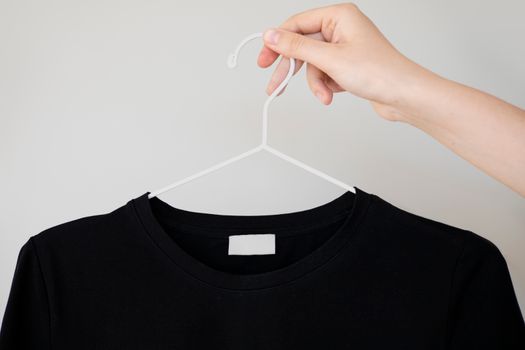
- A band t-shirt in black can convey rebellion or sophistication. - Pastel colors may speak to softness, approachability, or nostalgia. - Green t-shirts are often linked to nature, health, and tranquility.Cultural context also matters. In many Western countries, white is associated with purity and simplicity, but in parts of East Asia, it’s tied to mourning. This means the same white t-shirt could carry different meanings around the globe.
Choosing Colors: Practical Strategies for T-Shirt Design
When deciding on t-shirt colors, consider three main factors: your audience, the purpose of the shirt, and the message you want to convey.
1. $1: Are you selling to teens, sports fans, or corporate clients? Teenagers might gravitate toward bold neons or tie-dye, while business events often call for neutral or subdued palettes. In 2023, a Printful survey found that black remained the most popular t-shirt color in the US, accounting for nearly 30% of online sales, followed by navy and white. 2. $1: Is the shirt for a charity event, fashion line, or sports team? Cause-based shirts often use colors associated with their missions—think pink for breast cancer awareness or green for environmental causes. 3. $1: While Pantone’s Color of the Year (for 2024, it’s Peach Fuzz) can inspire on-trend designs, classic colors like black, white, and navy never go out of style. Consider offering both trendy and timeless options to appeal to a wider market. 4. $1: High-contrast color combinations (such as white on black, or yellow on navy) improve visibility and legibility, which is crucial for shirts with text or logos. Low-contrast pairings can create a softer, more understated look. 5. $1: Always view your color choices in natural and artificial lighting, and consider how they’ll look in different environments—from sunlit parks to dimly lit clubs.Unlocking the Power of Patterns: From Stripes to Abstract Art
Patterns are just as important as color in t-shirt design. They add dimension, highlight personality, and can even create optical illusions that alter how the body looks in clothing. The most popular patterns in t-shirt design include:
- $1: Classic and versatile, stripes can elongate or widen the appearance of the torso depending on their orientation and width. Vertical stripes generally create a slimming effect, while horizontal stripes can add width. - $1: These evoke freshness, playfulness, and are often associated with spring or summer collections. - $1: Shapes like triangles, circles, and squares create a modern, bold look. Abstract geometric designs are particularly popular with Gen Z consumers. - $1: Leopard, zebra, and snake prints make a strong, confident statement. They cycle in and out of mainstream fashion but always maintain a devoted following. - $1: Logos, slogans, and images can turn a t-shirt into wearable art or a vehicle for personal expression.The scale and placement of patterns matter, too. Large, centered designs draw attention to the torso, while all-over prints create a more dynamic, energetic look. Subtle, small-scale patterns can feel sophisticated and are often favored in workwear or minimalist collections.
Color and Pattern Pairings: What Works and Why
Combining colors and patterns effectively is both an art and a science. Here’s a quick guide to classic and contemporary pairings:
- $1: Using different shades of the same color creates harmony and sophistication. For example, a light blue pattern on a navy shirt feels cohesive and calming. - $1: Colors opposite each other on the color wheel (like blue and orange, or red and green) create vibrant, eye-catching contrasts. Be careful not to overdo it—too much contrast can feel jarring. - $1: A black, white, or gray t-shirt with a colorful pattern allows the design to pop without overwhelming the wearer. - $1: Large, bold patterns work best in limited color palettes, while small, intricate patterns can handle more color variety.Here is a table summarizing popular color and pattern combinations and their psychological effects:
| Color | Pattern | Effect | Best For |
|---|---|---|---|
| Black | Minimalist geometric | Sophisticated, modern | Streetwear, luxury brands |
| White | Bold graphic | Clean, attention-grabbing | Event shirts, brand logos |
| Blue | Horizontal stripes | Trustworthy, casual | Everyday wear, uniforms |
| Green | Floral | Natural, calming | Eco brands, spring/summer |
| Red | Abstract | Dynamic, energetic | Sports, youth markets |
| Gray | Animal print | Edgy, understated | Fashion-forward designs |
Aesthetics and Harmony: The Role of Color Theory in T-Shirt Design
To create visually pleasing t-shirts, designers often draw on the fundamentals of color theory. This includes understanding:
- $1: Primary, secondary, and tertiary colors help you choose harmonious or contrasting combinations. - $1: Warm colors (reds, yellows, oranges) feel energizing and inviting, while cool colors (blues, greens, purples) are calming and serene. - $1: Using the 60-30-10 rule (60% dominant color, 30% secondary, 10% accent) can guide you in creating balanced, appealing t-shirt designs.A 2022 survey by Statista showed that 57% of consumers were more likely to buy clothing that featured harmonious color combinations, compared to just 23% who preferred high-contrast or clashing colors. This highlights the importance of balance in design.
Additionally, consider the psychological principle of figure-ground perception: patterns or colors that clearly differentiate the design (figure) from the shirt background (ground) make graphics easier to read and more appealing.
Personal Expression vs. Mass Appeal: Finding Your Balance
Not every t-shirt is designed to be a best-seller. Some are personal, experimental, or made for niche audiences. Others aim for broad market appeal. When choosing colors and patterns, think about your goals:
- $1: Don’t be afraid to mix unexpected colors or patterns. Artistic experimentation can lead to new trends. - $1: Stick to proven color and pattern combinations that appeal to your target demographic. For example, a 2023 Custom Ink analysis revealed that navy blue shirts with simple, white logos consistently ranked among the top sellers for team and group orders.Finally, always keep inclusivity in mind. Offer a range of color options to suit different skin tones and style preferences. A color that looks great on one person may not flatter another, and providing choices can boost both satisfaction and sales.
Key Takeaways: Elevate Your T-Shirt Choices with Color and Pattern Psychology
Choosing the right colors and patterns for t-shirts is both a creative and strategic process. By understanding the psychological effects of color, the impact of patterns, and the fundamentals of color theory, you can design t-shirts that stand out, communicate effectively, and resonate with your intended audience. Whether for personal expression or commercial success, intentional choices in color and pattern will help your t-shirts make a lasting impression—one that goes far beyond the surface.