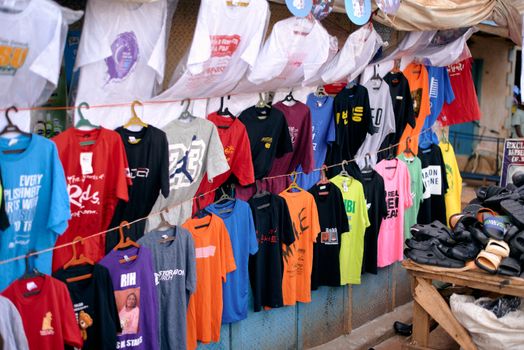
T-shirts are more than just wardrobe staples—they're a canvas for self-expression, business branding, and even activism. But as the global demand for custom tees grows (with the custom t-shirt printing market expected to exceed $7 billion by 2028), so does the environmental impact of their production. From resource-intensive cotton farming to chemical-heavy printing processes, traditional t-shirt manufacturing can take a significant toll on the planet.
Fortunately, a wave of eco-friendly practices is transforming the t-shirt printing industry. Whether you’re a business owner, designer, or conscious consumer, understanding these sustainable methods is crucial for making greener choices. In this article, we’ll explore the latest eco-friendly practices in t-shirt printing, examine their benefits and costs, and provide practical guidance for anyone looking to reduce their fashion footprint.
The Environmental Impact of Conventional T-Shirt Printing
Before diving into greener alternatives, it’s important to understand why change is needed. Conventional t-shirt printing often relies on resource-heavy inputs and polluting processes:
- $1 It takes about 2,700 liters of water to make a single cotton t-shirt—enough for one person to drink for 900 days. - $1 Traditional screen printing uses plastisol inks, which contain PVC and phthalates—substances linked to health risks and environmental harm. - $1 Heat presses, dryers, and other machinery contribute to high energy consumption and carbon emissions. - $1 Overproduction, misprints, and outdated inventory often end up in landfills.These issues are compounded by the fast fashion cycle: in 2023, the world produced over 2 billion t-shirts, and nearly 85% of all textiles end up in landfills each year.
Eco-Friendly Inks: The Shift from Plastisol to Water-Based and Beyond
One of the most significant advancements in sustainable t-shirt printing is the transition to eco-friendly inks. Let’s break down the main types:
- $1 The industry standard for decades, plastisol inks are durable but contain harmful plastics and require chemical cleaning agents. - $1 These inks use water as a solvent, eliminating the need for toxic chemicals and reducing environmental impact. They create soft, breathable prints and are ideal for light-colored garments. - $1 A type of water-based ink, discharge inks remove the shirt’s dye and replace it with a new color, resulting in vibrant and soft prints without heavy layers of ink. - $1 These emerging options use renewable resources (soybeans or algae) as a base, further reducing reliance on fossil fuels and toxic chemicals.The advantages of eco-friendly inks include lower VOC (volatile organic compound) emissions, easier cleanup, and safer conditions for workers. While water-based inks now account for about 25% of the t-shirt printing market, their share is rapidly increasing as demand for sustainable options grows.
Sustainable Fabrics: More Than Just Organic Cotton
Eco-friendly t-shirt printing starts with the fabric itself. While organic cotton is a well-known alternative, there are several sustainable textiles making waves in the industry:
- $1 Grown without synthetic pesticides and fertilizers, organic cotton uses up to 91% less water than conventional cotton. - $1 Made from post-consumer plastic bottles, rPET saves energy and diverts waste from landfills. Producing one rPET t-shirt can recycle about 5-10 plastic bottles. - $1 Bamboo grows quickly without the need for pesticides, and can be processed into soft, breathable fabric. However, some methods use chemicals, so look for certified sustainable bamboo. - $1 Hemp is one of the most sustainable fibers, requiring little water, no pesticides, and enriching the soil as it grows. - $1 Made from sustainably sourced wood pulp, Tencel is produced in a closed-loop process that recycles water and solvents.Here’s a comparison of popular sustainable t-shirt fabrics:
| Fabric | Water Usage | Energy Usage | Pesticide Use | Key Benefit |
|---|---|---|---|---|
| Conventional Cotton | Very High | High | High | Widely Available |
| Organic Cotton | Low | Moderate | None | Reduced Environmental Impact |
| Recycled Polyester | Very Low | Low | None | Diverts Plastic Waste |
| Bamboo Viscose | Low | Moderate | None | Fast Growing Resource |
| Hemp | Very Low | Low | None | Soil Regeneration |
| Tencel | Low | Low | None | Closed-Loop Production |
Brands like Patagonia, Alternative Apparel, and tentree have already made these fabrics central to their collections, proving that style and sustainability can go hand in hand.
Innovative, Low-Waste Printing Techniques
Beyond ink and fabric, the method of printing itself has a major influence on sustainability. Newer technologies are making it possible to reduce waste and energy use:
- $1 DTG uses inkjet technology to print designs directly onto t-shirts, minimizing waste by using only the ink needed for each print. Modern DTG printers, like the Kornit Atlas, use water-based inks and require less setup, making them ideal for small batches and on-demand production. - $1 Advances in automation have made screen printing more efficient. Automated reclaiming systems reduce water and chemical usage, and precise ink application lowers excess. - $1 While limited to polyester fabrics, sublimation uses heat to transfer dye directly into the fabric, resulting in vibrant, long-lasting prints with minimal waste. - $1 By printing only what is ordered, businesses reduce overproduction and leftover stock. This model is used by companies like Printful and Teespring.According to a 2022 report by Smithers, digital textile printing (including DTG and sublimation) is expected to grow by 13.9% annually, driven in large part by eco-conscious brands and consumers.
Certifications and Standards: How to Spot Truly Eco-Friendly Tees
With “greenwashing” on the rise, how can you tell if a t-shirt is genuinely eco-friendly? Certifications and standards offer transparency and accountability. Here are some of the top labels to look for:
- $1 Ensures organic status of textiles, covering the entire supply chain from harvesting to labeling. - $1 Certifies that textiles are tested for harmful substances and produced in environmentally friendly facilities. - $1 Guarantees fair wages and safe working conditions for farmers and factory workers. - $1 Focuses on resource productivity, consumer safety, water and air emissions, and occupational health in textile manufacturing. - $1 Assesses products for material health, circularity, renewable energy use, water stewardship, and social fairness.When shopping or sourcing t-shirts, look for these labels as signs of a true commitment to sustainability.
Practical Steps for Adopting Eco-Friendly T-Shirt Printing
Transitioning to more sustainable t-shirt printing doesn’t have to happen overnight. Here are practical steps for brands, printers, and consumers to embrace eco-friendly practices:
1. $1 Opt for GOTS-certified organic cotton, rPET, hemp, or Tencel. If you’re a printer, partner with suppliers who share your sustainability values. 2. $1 Invest in equipment compatible with these inks, and train staff on proper handling and cleanup. 3. $1 Implement on-demand printing or limited-edition drops to avoid unsold stock. Recycle misprints or repurpose them for other uses. 4. $1 Power your printing facility with solar or wind energy where possible, and invest in energy-efficient machines. 5. $1 Highlight your eco-friendly practices in marketing, packaging, and labeling to build trust and inspire others.By taking these steps, businesses can lower their environmental impact, appeal to eco-conscious customers, and set a positive example for the industry.
The Future of Eco-Friendly T-Shirt Printing
Eco-friendly t-shirt printing has come a long way, but it’s only the beginning of a more sustainable fashion future. As technology advances, expect to see even greener innovations—such as biodegradable inks, closed-loop recycling for garments, and blockchain tracking for full supply chain transparency.
Consumer demand is driving this change: a 2023 Nielsen report found that 73% of global consumers would change consumption habits to reduce environmental impact, and sustainable apparel is projected to grow twice as fast as conventional fashion in the coming years.
By embracing eco-friendly practices in t-shirt printing today, brands and individuals alike can help shape a cleaner, greener, and more ethical future for fashion.