Are you passionate about fashion and eager to transform your creativity into a profitable business? Launching your own t-shirt brand is more achievable now than ever, thanks to advances in digital printing, online marketing, and e-commerce platforms. However, success requires more than just a great design. From establishing your brand identity to understanding production methods, every step plays a vital role in building a sustainable and recognizable label. In this guide, we’ll walk through the essential steps to launch your own t-shirt brand, backed by industry data, practical examples, and actionable advice.
Defining Your T-Shirt Brand Identity
Before you print your first shirt, you need a clear vision for your brand. Your identity influences everything—design style, target audience, marketing strategy, and even your choice of suppliers. According to a 2023 survey by Printful, 68% of successful t-shirt brands identified a “unique brand voice” as their top differentiator in a crowded market.
First, ask yourself: - What values will your brand represent (e.g., sustainability, humor, activism)? - Who is your ideal customer? Are they young adults, parents, artists, or sports fans? - What mood or message should your designs convey—bold statements, minimalist chic, or nostalgic graphics?Consider building a brand story. For example, Tentree, a sustainable t-shirt brand, gained massive recognition by committing to plant ten trees for every shirt sold, appealing to eco-conscious consumers. Similarly, brands like Johnny Cupcakes carved out niches with quirky, bakery-themed tees and strong storytelling.
Once your brand identity is defined, create a logo, select your brand colors, and establish a consistent visual language. This will help you stand out and attract loyal customers who resonate with your message.
Researching the Market and Identifying Your Niche
The t-shirt industry is enormous, with global revenue projected to exceed $43 billion by 2027 (Statista). However, competition is fierce. The key to standing out is finding an underserved or highly engaged niche.
Start by researching existing brands and identifying gaps. For example, are there few options for pet lovers, tech enthusiasts, or vintage comic designs? Social media platforms, online forums, and Google Trends are excellent tools for spotting emerging trends and communities.
Conduct competitor analysis: - What are their best-selling designs? - What price points do they use? - How do they promote their shirts?Use this information to refine your niche. For instance, if you notice a surge in demand for science-themed apparel but few brands catering to women, this could be a valuable opportunity.
Designing Your First Collection: Balancing Creativity and Market Demand
Your designs are the core of your brand. In 2022, a survey by Oberlo found that “unique artwork” was cited by 73% of consumers as the deciding factor when purchasing t-shirts online.
Steps to create a winning collection: 1. Start with sketches or digital mockups using tools like Adobe Illustrator, Canva, or Procreate. 2. Test concepts with your target audience via Instagram polls or Facebook groups. 3. Ensure your designs are original. Avoid copyright infringement—use only licensed fonts, artwork, or resources.Your initial collection should be cohesive, usually 5-10 designs, each reflecting your brand identity. Consider offering a mix of statement pieces and versatile basics to attract a broader audience.
Example: If your brand centers on 90s nostalgia, your first drop might include retro-inspired graphics, bold neon colors, and playful slogans reminiscent of the era.
Choosing the Right Production Method: Print-on-Demand vs. Bulk Printing
Production is one of the most critical decisions when launching a t-shirt brand. Your choice affects startup costs, inventory risk, and scalability. Here’s a comparative overview of the two most popular production methods:
| Production Method | Startup Cost | Order Flexibility | Unit Cost | Customization | Best For |
|---|---|---|---|---|---|
| Print-on-Demand | Low (as little as $0 upfront) | Single units, as needed | Higher ($10-$15 per shirt) | High (easy to test new designs) | Testing ideas, low-risk startups |
| Bulk Printing (Screen Printing) | Moderate to High ($500+ per run) | Minimum order quantities (usually 50+) | Lower ($3-$7 per shirt at scale) | Medium (best for established designs) | Brands with proven demand |
Print-on-demand (POD) platforms like Printful, Teespring, and Printify let you launch with virtually no upfront investment. They handle printing, packing, and shipping, but the per-unit cost is higher.
Bulk printing, often done via screen printing, requires ordering in larger quantities. While this comes with greater upfront costs and inventory management, it offers better profit margins per shirt and higher print quality.
For most first-time t-shirt brands, POD is the recommended route for the first few months. Once you identify your best-sellers, consider transitioning to bulk production for greater profitability.
Setting Up Your Online Store and Sales Channels
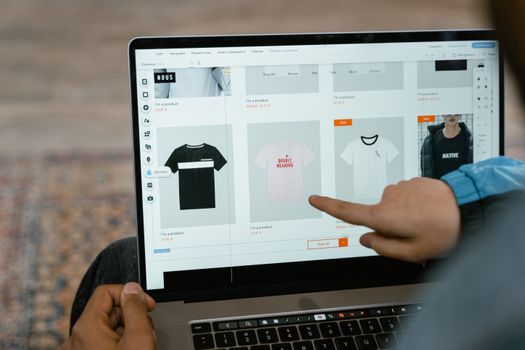
A professional, user-friendly online store is essential for showcasing your t-shirt brand and converting visitors into customers. According to Shopify, 75% of online shoppers judge a brand’s credibility based on website design.
Steps to launch your store: 1. Choose a platform: Shopify, WooCommerce (WordPress), and BigCommerce are popular choices with built-in e-commerce features. 2. Customize your site: Use high-quality mockups or product photos, clear navigation, and compelling product descriptions. Highlight your brand story and unique selling points on your homepage. 3. Set up secure payment gateways: Accept credit cards, PayPal, Apple Pay, and other popular payment methods. 4. Offer transparent shipping and return policies: Fast, reliable shipping and hassle-free returns increase customer confidence. Don’t limit yourself to just your website. Consider additional sales channels such as: - Marketplaces (Etsy, Amazon Merch, Redbubble) - Pop-up shops or local markets - Social media “shop” features on Instagram and FacebookEach channel has its own audience and advantages. For instance, Etsy is ideal for handcrafted, artistic designs, while Amazon Merch offers massive reach but stiff competition.
Promoting Your T-Shirt Brand: Building Awareness and Loyalty
Even the best designs won’t sell without effective promotion. In 2023, the average cost for a Facebook ad click in the fashion niche was $0.70, making paid ads accessible for new brands. However, organic marketing is just as important for long-term growth.
Key strategies include: - Social Media Marketing: Share behind-the-scenes content, customer photos, and design teasers on Instagram, TikTok, and Pinterest. Leverage hashtags and collaborate with micro-influencers in your niche. - Email Marketing: Offer a discount code for newsletter sign-ups. According to Campaign Monitor, every $1 spent on email marketing delivers an average ROI of $42. - Community Building: Host design contests, encourage user-generated content, and interact with customers to build loyalty.A successful example is the brand ‘Ugmonk,’ which grew its following largely through design process videos, customer features, and a strong founder presence on social media.
Scaling and Evolving Your T-Shirt Business: Next Steps
Once you’ve validated your designs and made initial sales, it’s time to think about growth. Scaling a t-shirt brand involves expanding your product range, optimizing operations, and increasing your marketing reach.
Consider these steps: - Analyze sales data to identify best-sellers and discontinue underperforming designs. - Introduce new products (hoodies, hats, tote bags) or seasonal collections. - Streamline production by negotiating bulk rates with suppliers or investing in your own printing equipment. - Explore wholesale opportunities with local boutiques or online retailers.According to a 2022 report by Allied Market Research, brands that diversified their product lines saw a 20% higher average revenue per customer compared to those that only sold t-shirts.
Remember, the most successful t-shirt brands don’t just sell products—they build communities, tell stories, and consistently innovate.
Final Thoughts on Launching Your Own T-Shirt Brand
Launching a t-shirt brand is an exciting journey that blends creativity, entrepreneurship, and strategic planning. By defining a clear brand identity, targeting the right niche, balancing design and market demand, choosing smart production methods, building a strong online presence, and investing in marketing, you lay the foundation for a thriving business. The t-shirt industry is competitive, but with the right approach, your unique vision can stand out and capture the hearts (and wardrobes) of your ideal customers.