The Evolving Demographics and Psychographics of Custom T-Shirt Buyers
The custom T-shirt market has become a melting pot of diverse consumers, each bringing their unique motivations and preferences to the table. Understanding who is buying custom T-shirts—and why—offers invaluable insights for designers, retailers, and entrepreneurs hoping to succeed in this crowded space.According to a 2023 report by Grand View Research, the global custom T-shirt printing market was valued at $4.3 billion and is expected to grow at a compound annual growth rate (CAGR) of 9.9% from 2024 to 2030. This impressive growth is fueled by a broadening customer base that now spans age groups, interests, and even geographic regions.
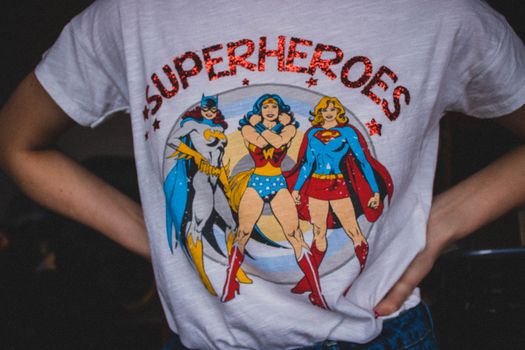
While Gen Z and Millennials are major drivers of the market, motivated by a desire for self-expression and social causes, there’s also a notable rise in demand among older adults. Custom T-shirts have become popular for family reunions, charity events, and even corporate gifting. Psychographically, buyers are not just looking for a wearable product—they want to communicate identity, make a statement, or support a movement. In fact, a 2022 survey by Printful found that 41% of buyers chose custom apparel to express their personality, while 33% did so to support a cause or event.
Globalization and the Rise of Micro-Niches in Custom T-Shirts
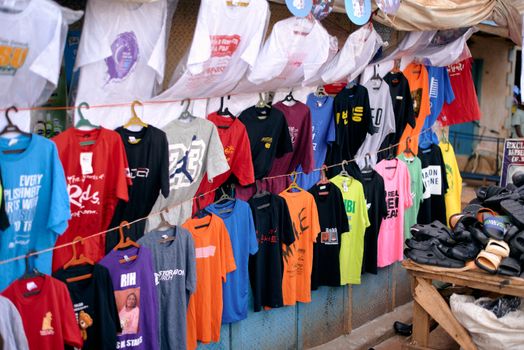
One of the most fascinating shifts in the custom T-shirt market is the globalization of demand and the emergence of micro-niches. Thanks to online platforms and print-on-demand services, a designer in Brazil can now sell unique T-shirts to customers in Sweden or Japan with minimal logistical hurdles.Micro-niches are thriving because the barriers to entry have dropped dramatically. For example, a designer can create a limited-run T-shirt series focused exclusively on vintage video game art, rare dog breeds, or even regional dialect jokes. In 2023, Shopify reported that niche online stores, including those selling custom T-shirts, experienced conversion rates up to 2.5 times higher than general apparel stores.
This global reach is also fostering cross-cultural collaborations. Artists from different countries often team up to create T-shirt collections that blend styles and cultural motifs, attracting a wider audience and encouraging cultural exchange in the process.
Custom T-Shirts as Tools for Social Movements and Community Building
Custom T-shirts have evolved far beyond fashion—they now serve as powerful tools for advocacy, activism, and community engagement. The ability to quickly design and distribute T-shirts with messages supporting social causes has made them a staple in fundraising campaigns and protests.For example, during the Black Lives Matter protests in 2020, custom T-shirt sales with related slogans and imagery raised millions for charitable organizations. Similarly, in 2023, LGBTQ+ advocacy groups reported that Pride-themed T-shirt campaigns helped raise awareness and fund community initiatives, with some campaigns selling over 50,000 shirts in a single month.
The low cost and high visibility of custom T-shirts make them ideal for grassroots efforts. Organizers can create unity among participants, spread key messages, and generate funds—all by leveraging the humble T-shirt as a wearable billboard.
The Role of Data Analytics in Shaping Custom T-Shirt Design and Sales
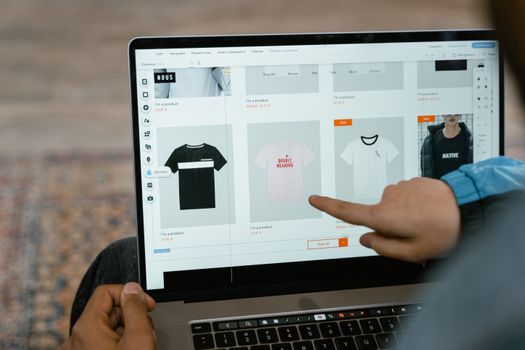
Modern custom T-shirt businesses are increasingly relying on data analytics to refine their products and target their marketing. With tools like Google Analytics, Facebook Pixel, and proprietary e-commerce dashboards, sellers can track which designs resonate most, what demographics are buying, and how seasonal trends affect sales.For instance, a 2023 analysis by Teespring revealed that designs featuring pop culture references saw a 120% sales spike during major film and TV releases. Similarly, T-shirt businesses that used A/B testing for their product images and ad copy reported up to a 35% increase in click-through rates.
Data-driven approaches also help with inventory management. Print-on-demand platforms, which accounted for 27% of the custom T-shirt market in 2023, use real-time analytics to ensure popular designs are always available while minimizing overproduction of less successful items.
Comparing Business Models: Print-on-Demand vs. Bulk Custom T-Shirts
Choosing the right business model is critical in the custom T-shirt industry. Here’s a comparison of the two dominant approaches: print-on-demand (POD) and bulk custom orders.| Aspect | Print-on-Demand | Bulk Custom Orders |
|---|---|---|
| Initial Investment | Low (no inventory required) | High (bulk purchase of blank tees + printing) |
| Minimum Order Quantity | 1 | Usually 25-100+ |
| Customization Flexibility | High (each shirt can be unique) | Moderate (best for uniform orders) |
| Turnaround Time | Varies (often slower for single orders) | Faster for large, identical orders |
| Profit Margin | Lower per shirt | Higher per shirt (economies of scale) |
Print-on-demand is ideal for artists, influencers, or small brands testing new concepts, while bulk orders suit established businesses, organizations, or events that need consistency and volume.
Legal and Ethical Considerations in the Custom T-Shirt Market
As the custom T-shirt market matures, legal and ethical considerations have come to the forefront. Copyright infringement remains a significant issue; in 2022, over 12,000 copyright takedown requests were filed on major print-on-demand platforms according to the U.S. Copyright Office. Designers and sellers must ensure they have the rights to use images, logos, and phrases—especially when referencing pop culture or famous brands.Ethical sourcing is also a rising concern. Consumers are demanding transparency about how and where T-shirts are made. According to a 2023 Nielsen survey, 73% of global consumers said they would change their consumption habits to reduce environmental impact. As a result, many custom T-shirt companies are now promoting organic cotton, fair labor practices, and eco-friendly printing methods.
Sellers who proactively address these legal and ethical issues not only avoid costly penalties and reputational damage but also appeal to a growing segment of conscious consumers.
Future Outlook: Where Is the Custom T-Shirt Market Headed?
The future of custom T-shirts looks bright—and increasingly sophisticated. AI-powered design tools are making it easier for anyone to create professional-quality graphics, while augmented reality (AR) is beginning to transform online shopping, allowing customers to virtually “try on” designs before purchase.Global revenues for custom apparel are projected to surpass $7 billion by 2030, with sustainable and tech-driven products leading the way. Expect to see more collaborations between artists and tech firms, advanced personalization features, and even blockchain-based authentication for limited-edition drops.
As consumer expectations continue to evolve, those who embrace innovation, transparency, and customer-centric design will be best positioned to thrive in this vibrant market.