Czech T-Shirt Brand Success Stories: Lessons from the Heart of Europe
The Czech Republic, nestled in the heart of Europe, is emerging as a surprising hub for creative and successful t-shirt brands. Over the last decade, several Czech companies have transformed from small startups into beloved household names, not just within their homeland but across international markets. What’s behind their meteoric rise? Which strategies, values, and innovations set these brands apart from the global crowd? By examining the unique journeys of Czech t-shirt brands, we can uncover valuable lessons for entrepreneurs, designers, and anyone passionate about fashion and business.
The Czech T-Shirt Scene: A Brief Overview
Though the Czech fashion market is smaller compared to giants like Germany or France, it punches above its weight in creativity and entrepreneurship. In 2023, the Czech apparel market was valued at approximately $1.2 billion, with t-shirts accounting for a significant share of casual wear sales. Czech t-shirt brands have thrived not by mimicking international trends but by carving out their own identities rooted in local culture, humor, sustainability, and quality craftsmanship.
Czech consumers are known for valuing originality and supporting homegrown businesses. According to a 2022 survey by the Czech Confederation of Commerce and Tourism, 67% of Czech shoppers said they prefer buying from local brands, especially when those brands demonstrate authenticity and ethical values. This cultural context has provided fertile ground for innovative t-shirt brands to flourish.
Case Study 1: ZOOT – Revolutionizing Online Apparel Shopping
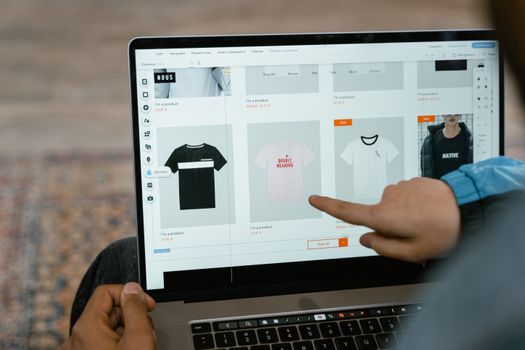
One of the biggest Czech success stories is ZOOT, founded in 2010. ZOOT started as an online retailer of fashion, but quickly distinguished itself through its own line of quirky, message-driven t-shirts. These tees often feature witty Czech phrases, pop culture references, or minimalist graphics—resonating with a young, urban audience.
Why did ZOOT succeed where many others failed? Here are the key factors:
- Personalized Experience: ZOOT’s “Try & Buy” model allowed customers to order multiple sizes and styles, try them at home, and only pay for what they kept. This eliminated a major barrier for online apparel shoppers. - Local Relevance: ZOOT’s t-shirt designs often tapped into Czech humor, history, and current events. This made their products more shareable on social media and more emotionally resonant than generic designs. - Data-Driven Design: ZOOT leveraged customer feedback and sales data to iterate rapidly. Bestsellers were reprinted and expanded into new collections, while less popular designs were quickly retired.In 2017, ZOOT reported annual revenues exceeding CZK 700 million (around $32 million), and their private label t-shirts accounted for over 25% of total sales. Despite facing financial challenges in later years, ZOOT’s innovative approach left a lasting mark on the Czech apparel market.
Case Study 2: VUCH – Bold Colors, Big Impact
Founded in 2015 in Chrudim, VUCH began as an accessories brand but quickly expanded into apparel, including t-shirts. VUCH’s signature style is bold and playful—bright colors, polka dots, and eye-catching patterns. What sets VUCH apart is its deep understanding of its target audience: young, fashion-forward women who want fun and affordable pieces.
Key lessons from VUCH’s rise:
- Strong Branding: VUCH’s visual identity is instantly recognizable. Whether on a t-shirt or a wallet, their use of polka dots and vibrant hues creates brand consistency and loyalty. - Social Media Savvy: VUCH invests heavily in influencer marketing and user-generated content on platforms like Instagram and Facebook. In 2022, VUCH’s Instagram following surpassed 200,000, with much of their traffic driven by social sharing. - Customer Engagement: VUCH often solicits design ideas from their community and runs regular contests. This not only generates buzz but also ensures the brand remains attuned to evolving consumer tastes.By 2023, VUCH’s annual turnover exceeded CZK 200 million ($9.2 million), with t-shirts becoming a growing segment of their business.
Case Study 3: Life is Porno – From Street Art to Global Streetwear
No discussion of Czech t-shirt brands is complete without mentioning Life is Porno. Launched in 2012 by street artist Michal Škapa (aka TRON), Life is Porno blends street art, music, and fashion into a distinctive urban lifestyle brand. Its t-shirts, often limited-edition and hand-signed, are a canvas for graffiti-inspired graphics and bold messages.
How did Life is Porno build a cult following?
- Authentic Collaboration: Life is Porno collaborates with street artists, musicians, and athletes, ensuring its designs stay authentic to urban culture. Limited releases and artist signatures add exclusivity. - International Reach: Despite its Czech origins, Life is Porno ships worldwide and has participated in streetwear events from Berlin to Tokyo. Over 40% of its online orders now come from outside the Czech Republic. - Storytelling: Each collection is launched with a story—sometimes a short film or a street art installation—making every t-shirt more than just a garment, but a piece of a broader narrative.Life is Porno is a prime example of how Czech brands can leverage local roots while achieving global appeal.
Case Study 4: Gravelli – Merging Materials and Minimalism
Gravelli started in Prague as a design studio specializing in concrete products, but soon expanded into fashion with a unique twist: merging concrete with textiles. Their “Concrete T-shirt” became a sensation, featuring a thin, flexible panel of real concrete integrated into the design.
What can we learn from Gravelli?
- Radical Innovation: Gravelli’s concrete-infused t-shirts are a world first. This willingness to experiment with unconventional materials set them apart from the competition. - Premium Positioning: At around CZK 2,500 ($115) per t-shirt, Gravelli targets a niche market of design aficionados and collectors. - Sustainability: Gravelli emphasizes eco-friendly production, using organic cotton and recycled materials wherever possible.While not a mass-market player, Gravelli demonstrates the power of innovation and niche focus in the crowded t-shirt market.
Comparing Czech T-Shirt Brand Strategies
Let’s compare the approaches of these four leading Czech t-shirt brands to highlight key differentiators:
| Brand | Founded | Unique Strategy | Target Audience | Notable Achievement |
|---|---|---|---|---|
| ZOOT | 2010 | Try-&-Buy model, local humor | Urban millennials | CZK 700M revenue (2017) |
| VUCH | 2015 | Bold branding, social media | Young women | 200K+ Instagram followers |
| Life is Porno | 2012 | Street art collaborations | Streetwear fans, global | 40% intl. sales |
| Gravelli | 2012 | Material innovation (concrete) | Design enthusiasts | “World’s first” concrete t-shirt |
Key Takeaways for Entrepreneurs and Designers
The stories of these Czech t-shirt brands offer several practical lessons for anyone looking to start or grow a brand:
1. Know Your Audience Deeply Brands like VUCH and ZOOT succeeded because they understood their customers’ desires, humor, and lifestyles. They didn’t just sell t-shirts; they sold a reflection of their audience’s identity. 2. Embrace Local Culture Whether it’s Czech puns or Prague-inspired graphics, local flavor can be a powerful differentiator. This authenticity creates emotional connections and encourages word-of-mouth marketing. 3. Innovate Boldly From Gravelli’s concrete tees to Life is Porno’s artist collaborations, daring to be different—even in small ways—can capture attention in a crowded market. 4. Prioritize Customer Experience ZOOT’s “Try & Buy” model and VUCH’s interactive social media prove that shopping can be more than transactional. Engaging customers at every stage builds loyalty and repeat business. 5. Think Beyond Borders While starting small and local, Life is Porno shows that Czech brands can go global with the right mix of uniqueness and digital marketing. International customers increasingly seek out indie brands with strong stories.Challenges and Opportunities for Czech T-Shirt Brands
Despite these successes, Czech t-shirt brands face several challenges:
- Market Saturation: With an estimated 800+ independent apparel brands in the Czech Republic, standing out is harder than ever. - Rising Costs: As of 2023, the average cost of organic cotton t-shirts in Europe rose by 12% due to global supply chain pressures. - Greenwashing: With sustainability a hot topic, consumers are wary of brands that make unsubstantiated eco-friendly claims.However, the opportunities remain significant. The global custom t-shirt printing market is projected to reach $10 billion by 2025, with European consumers increasingly seeking unique, ethically made apparel. Czech brands with a clear story, ethical practices, and innovative designs are well positioned to capture a slice of this expanding market.
Lessons from Czech T-Shirt Brand Success Stories
Czech t-shirt brands have turned local culture, innovation, and customer focus into winning formulas. From ZOOT’s data-driven humor to Gravelli’s design breakthroughs, these companies prove that even in a small market, bold ideas and authentic branding can propel a business onto the world stage. For aspiring entrepreneurs, the Czech example is clear: understand your audience, dare to be different, and never stop evolving.