Color and pattern are not just design elements—they’re powerful psychological tools that can make or break a t-shirt’s success on the market. While style and fit certainly matter, a t-shirt’s color palette and pattern choice are often the first things a customer notices. For entrepreneurs, designers, and brands, understanding how these visual factors influence buyers is crucial for maximizing sales and building a loyal following. In today’s competitive apparel landscape, the right color and pattern combinations can help your t-shirt stand out, connect emotionally with your target market, and even drive repeat purchases. Let’s dive into the real impact of colors and patterns on t-shirt sales and explore how to choose the ideal combinations for your specific audience.
The Psychology of Color: Why Shades Sell
Colors are never neutral—they evoke emotion, trigger memories, and signal meaning. According to a study by the Institute for Color Research, people make subconscious judgments about a product within 90 seconds, and up to 90% of that assessment is based on color alone. In the t-shirt market, color can directly influence the perceived value, desirability, and even the price point of your products.
For example, blue is often associated with trust, calmness, and reliability, making it a strong choice for brands targeting professionals or those seeking longevity in their apparel. Red, on the other hand, is linked with energy, youthfulness, and excitement—attributes that appeal to younger demographics or brands with a bold attitude.
Regional and cultural preferences also play a significant role. In China, red symbolizes luck and prosperity, making red t-shirts especially popular around holidays like Lunar New Year. In Western markets, black and navy are top sellers due to their versatility and perceived sophistication.
It’s not just about picking a color you like—it’s about understanding your target market’s emotional triggers and selecting shades that resonate with their identity and aspirations.
Patterns that Perform: Beyond the Basics
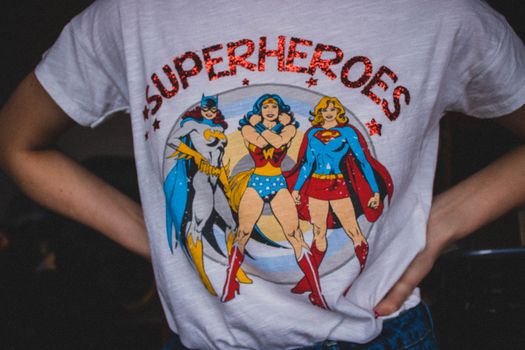
While solid colors often dominate best-seller lists, patterns can add uniqueness and visual interest that set your t-shirts apart. The success of a pattern, however, depends on both current trends and the enduring appeal of certain designs.
Stripes, for example, have a timeless quality and consistently perform well across age groups and genders. According to a 2022 Statista report, striped t-shirts accounted for 18% of all patterned t-shirt sales in the U.S., followed closely by graphic prints and florals.
Geometric patterns are surging among younger buyers, especially when paired with retro or neon color schemes. Meanwhile, minimalist patterns—such as subtle dots or tone-on-tone motifs—cater to those seeking understated elegance.
It’s important to consider scale and placement. Large, bold patterns can make a t-shirt a statement piece but may limit its versatility. Smaller, repeating patterns are more adaptable, appealing to customers who want something interesting yet wearable in multiple settings.
Market-Specific Color and Pattern Preferences
One size does not fit all in the t-shirt business. Demographics like age, gender, and even location can dramatically affect what colors and patterns sell best. Let’s examine a few key market segments:
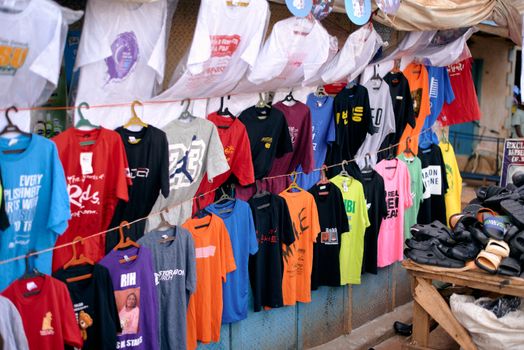
- $1 This group gravitates toward vibrant colors—think neon green, electric blue, and hot pink—and bold, expressive patterns such as tie-dye, graffiti, and abstract art. They’re also more likely to follow fast-changing trends driven by social media influencers. - $1 Neutral tones like black, gray, navy, and white dominate here, often paired with subtle or minimalist patterns. These buyers value versatility and style that transitions from work to leisure. - $1 Earthy tones (olive, taupe, rust, sage) and nature-inspired patterns (leaves, waves) perform well in this market. According to a 2023 Nielsen survey, 68% of eco-conscious apparel buyers said they prefer colors and patterns that reflect environmental values.The table below summarizes several key market segments and their preferred color and pattern combinations:
| Market Segment | Top Colors | Preferred Patterns | Notable Trends |
|---|---|---|---|
| Teens/Young Adults | Neon, Brights, Pastels | Tie-dye, Graffiti, Abstract | Influencer-driven, fast-changing |
| Professionals | Black, Navy, Gray, White | Minimalist, Stripes, Micro-patterns | Versatile, classic |
| Eco-Conscious | Earth Tones, Greens, Browns | Nature-inspired, Subtle prints | Sustainable materials, natural dyes |
| Sports/Fitness | Bold Reds, Blues, Oranges | Dynamic stripes, Camouflage, Logos | Performance fabrics, team colors |
Seasonal Shifts: Timing Your Color and Pattern Choices
Timing is everything. The most successful t-shirt brands adjust their color and pattern offerings with the seasons to keep customers engaged and inventory fresh. For example, Pantone’s Color of the Year often influences spring and summer collections. In 2023, "Viva Magenta" inspired a wave of pink and magenta t-shirts that saw a 22% sales lift in the first half of the year, according to NPD Group.
Spring and summer favor light, bright, and pastel shades, as well as playful patterns like florals, tropical prints, or nautical stripes. Fall and winter shift toward richer, deeper hues—burgundy, forest green, mustard—and patterns such as plaid, houndstooth, and fair isle.
Fashion forecasting services like WGSN and Pantone’s seasonal reports can provide valuable insights for planning ahead. Brands that time their releases with these seasonal trends often see faster sell-through rates and improved brand relevance.
Testing and Adapting: Using Data to Refine Choices
While intuition and trend reports are helpful, nothing beats hard data from your own customer base. A/B testing—where you release two color or pattern variants and see which performs better—can provide actionable insights without a massive investment. For example, a brand may find that while green t-shirts underperform overall, forest green with a subtle geometric pattern outsells other shades in the same category.
Online platforms like Shopify, Etsy, and Amazon provide built-in analytics to track best-selling colors and patterns. Google Analytics and social media engagement metrics can also reveal which designs generate the most interest and clicks.
Customer surveys, post-purchase feedback, and even returns data are invaluable for refining your approach. A 2023 Shopify survey found that 47% of t-shirt brands used customer feedback to adjust color and pattern offerings, resulting in an average 15% sales increase over the following quarter.
Brand Identity and Consistency: Building Recognition Through Color and Pattern
Beyond individual sales, consistent use of color and pattern can strengthen your brand identity and boost long-term loyalty. Iconic brands like Supreme (red and white), Ralph Lauren (navy and polo-inspired stripes), and Vineyard Vines (preppy pastels and whales) have built empires by sticking to recognizable palettes and motifs.
When customers can identify your brand from across the room, you’re not just selling t-shirts—you’re creating walking billboards. Consistency doesn’t have to mean monotony; it’s about having a signature style that evolves without losing its essence.
Consider developing a core palette (e.g., always using a signature shade of blue) or a recurring pattern (like a small logo or emblem) across collections. This visual consistency helps foster brand recognition and trust—key drivers of repeat business in the apparel sector.
Final Thoughts: Choosing the Ideal Color and Pattern Combinations for Your T-Shirt Market
Color and pattern are far more than finishing touches—they’re strategic tools that can dramatically impact your t-shirt sales. By understanding the psychological power of colors, staying attuned to pattern trends, and analyzing what your specific market wants, you can make informed decisions that enhance your brand’s appeal and profitability.
Don’t be afraid to experiment, but always ground your choices in data and customer feedback. Align your color and pattern strategy with your brand identity, leverage seasonal trends, and tailor your offerings to the preferences of your target market. In a crowded t-shirt market, the right visual choices can be your most effective sales weapon.