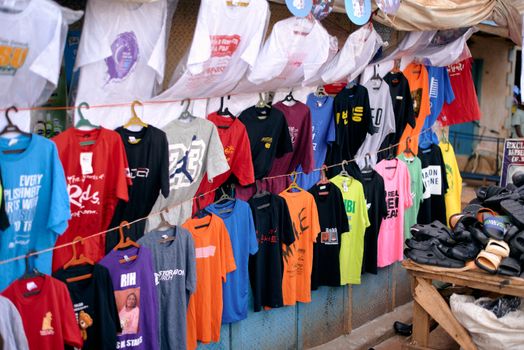
Selling t-shirts online is an enticing opportunity, but the competition is fierce. With millions of designs available across platforms like Etsy, Amazon, and Shopify, how do you ensure your brand stands out and your shirts actually sell? The answer lies not just in design or price, but in crafting a robust, data-driven marketing strategy. This article will guide you step by step through building a comprehensive marketing plan tailored specifically to selling t-shirts online—covering everything from identifying your audience to leveraging analytics for continuous growth.
Understanding Your Target Audience: The Foundation of T-Shirt Marketing
Before you can sell a single t-shirt, you must know who you’re selling to. A common pitfall for new t-shirt entrepreneurs is trying to appeal to everyone. Instead, success comes from identifying a focused niche and tailoring your marketing efforts accordingly.
Start by researching demographics and psychographics. According to a 2023 Statista report, the largest single demographic for online t-shirt sales in the US is aged 18-34, representing 42% of buyers. But that’s just the start. Drill deeper: Are your designs best suited for sports fans, music lovers, pet owners, or a particular subculture? Use social media tools like Facebook Audience Insights or Instagram Analytics to examine potential customer interests, locations, and behaviors.
Top tips for audience research: - Run surveys on social media to gauge design preferences. - Spy on competitors—read their reviews to understand what their customers like or dislike. - Use Google Trends to see which t-shirt styles or slogans are gaining traction.Once you identify your ideal customer, create a buyer persona—a detailed profile that includes age, interests, buying motivations, and preferred social platforms. Every marketing decision you make should be guided by this persona.
Choosing the Right Sales Channels: Where to Sell Your T-Shirts
Your marketing strategy should align with the platforms where your target audience shops. The choice of sales channel can make or break your business, as different platforms come with distinct advantages and challenges.
Here is a comparison of the most popular online t-shirt sales channels:
| Platform | Monthly Visitors (2023) | Ease of Setup | Fees | Customization | Best For |
|---|---|---|---|---|---|
| Shopify | 80M+ | Moderate | $29/mo + transaction fees | High | Brand building |
| Etsy | 96M+ | Easy | 5% fee + listing fees | Low | Handmade/unique tees |
| Amazon Merch | 2.4B+ | Easy | Royalty-based | None | Reach & scale |
| Redbubble | 30M+ | Easy | Base price + markup | Low | Artists/designers |
Shopify is ideal for those wanting full control over branding and customer experience, while marketplaces like Etsy and Amazon offer massive built-in audiences but less customization. Many successful sellers use a hybrid approach: a branded Shopify store for long-term growth and one or more marketplaces for extra exposure.
Crafting Your Unique Value Proposition: What Makes Your Tees Irresistible?
With the sheer volume of t-shirt options online, your marketing must quickly answer one critical question: Why should someone buy your shirt and not another? This is where your Unique Value Proposition (UVP) comes in.
A UVP is a concise statement that highlights what sets your t-shirts apart. This could be: - Eco-friendly, sustainably sourced fabrics (as 62% of Gen Z shoppers prefer eco-conscious brands, according to a 2022 Nielsen study). - Limited-edition designs by local artists. - A portion of proceeds donated to a cause. - Superior print quality or comfort.For example, “Wear Kindness: Every shirt plants a tree” is a UVP that appeals to eco-minded consumers. Make sure your UVP is front and center on your website, social media, and every ad campaign.
Tips for refining your UVP: - Analyze competitors’ messaging and find a gap you can fill. - Ask existing customers what they love most about your shirts. - Test different value propositions with small ad campaigns and track which performs best.Content Marketing & Social Proof: Building Trust and Community
Once you know your audience and have a compelling UVP, focus on building trust—a key factor in driving online sales. Content marketing and social proof are powerful tools for this.
Content marketing involves creating and sharing valuable, relevant content to attract and engage your audience. For t-shirts, this could mean: - Blog posts about the story behind your designs. - Tutorials on styling your shirts. - Videos showcasing the production process.Content builds brand loyalty and improves SEO—HubSpot reports that businesses publishing 16+ blog posts per month get 3.5x more traffic than those posting less frequently.
Equally important is social proof. This refers to evidence that other people have bought and enjoyed your shirts. Include: - Customer reviews and testimonials (92% of consumers read reviews before buying, per BrightLocal). - User-generated content, like photos or videos of real customers wearing your shirts. - Influencer partnerships—micro-influencers with 10,000-50,000 followers have been shown to generate 60% higher engagement rates than larger influencers (Influencer Marketing Hub, 2023).Encourage buyers to share their experiences using branded hashtags, and feature their content on your website and social pages. This makes your brand feel authentic and relatable.
Paid Advertising: Accelerating Growth with Targeted Campaigns
While organic content is crucial for long-term growth, paid advertising can help you reach new customers quickly. The key is to spend wisely and target effectively.
Popular paid advertising options for t-shirt sellers include: - Facebook and Instagram Ads: With detailed targeting options, you can reach users based on age, interests, and even recent shopping behavior. The average cost per click for apparel ads on Facebook is $0.70 as of 2024. - Google Shopping Ads: Great for capturing users actively searching for t-shirts. According to Google, shopping ads convert 30% higher than traditional text ads for apparel. - TikTok Ads: Particularly effective for reaching Gen Z; short video ads can drive viral engagement. Best practices for paid ads: - Start with a small daily budget ($5-$20/day) and scale up as you see results. - Use eye-catching visuals and concise copy that highlights your UVP. - Always A/B test different creatives and audiences to optimize performance.Don’t forget retargeting ads! These remind visitors who didn’t buy to come back and complete their purchase. Retargeted ads have been shown to boost conversion rates by up to 70% (Digital Information World, 2023).
Analytics and Continuous Optimization: Making Data-Driven Decisions
A winning t-shirt marketing strategy is never “set it and forget it.” You need to track performance and adapt your approach based on real data.
Key metrics to monitor: - Website traffic and sources (Google Analytics) - Conversion rate (average apparel e-commerce conversion is 2.6% according to Shopify) - Cost per acquisition (CPA) - Customer lifetime value (CLV) - Social engagement ratesSet up regular reporting—weekly or monthly—and look for patterns. Are certain designs or messages outperforming others? Which ad platforms are giving you the best return on investment? Use split-testing (A/B testing) for landing pages, ad copy, and even pricing.
Tools like Google Analytics, Facebook Pixel, and Shopify’s built-in analytics make it easier than ever to get actionable insights. Use this data to double down on what’s working and pivot away from what’s not.
Final Thoughts: Building a Sustainable Marketing Strategy for T-Shirt E-commerce
Creating an effective marketing strategy for selling t-shirts online isn’t about a single viral post or one clever ad—it’s about building a sustainable, adaptable system. By understanding your audience, choosing the right sales channels, crafting a compelling UVP, leveraging both content and paid advertising, and relentlessly optimizing based on data, you set your t-shirt business up for long-term success. Remember, the market is crowded, but with a focused and strategic approach, your t-shirt brand can cut through the noise and capture loyal customers.