Selling t-shirts online is more competitive than ever, with thousands of brands vying for attention on platforms like Etsy, Shopify, Amazon, and Instagram. But while catchy designs and clever marketing are important, nothing drives sales like high-quality product photography. Your photos are often the first (and sometimes only) impression potential customers get of your t-shirts. So, how can you ensure your images stand out, build trust, and convert browsers into buyers? In this guide, we’ll explore five actionable tips for effectively photographing t-shirts for online sales—drawing on real-world examples, expert insights, and practical advice.
The Power of First Impressions: Why T-Shirt Photography Matters
When shoppers browse online, they can’t touch, feel, or try on your t-shirts. Instead, photos must do all the work. According to a 2022 Shopify study, 75% of online shoppers rate product photos as “very influential” in their purchasing decisions. Moreover, high-quality images can increase conversion rates by up to 30% compared to low-quality or generic shots.
Effective t-shirt photography does more than just show what’s for sale—it communicates the fit, fabric, style, and even the vibe of your brand. Poor photos can lead to higher return rates, lower customer trust, and lost sales. So investing time and effort into getting your photography right is not just worthwhile—it’s essential.
1. Choose the Right Presentation Style for Your Brand
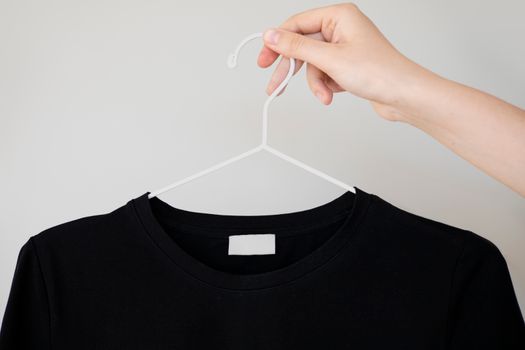
One of the first decisions you’ll make is how to present your t-shirts in photos. Do you use flat lays, mannequins, ghost mannequins, or live models? Each style has its benefits, and the best choice depends on your brand image, target audience, and budget.
Here’s a comparison of the most popular t-shirt presentation methods:
| Presentation Style | Pros | Cons | Best For |
|---|---|---|---|
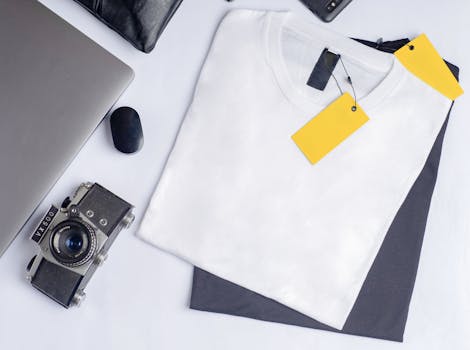
| Flat Lay | Simple, low-cost, highlights design | Can look lifeless, doesn’t show fit | Startups, design-focused brands |
| Mannequin | Shows shape, consistent look | Can appear artificial, lacks personality | Basic catalogs, large inventories |
| Ghost Mannequin (Invisible) | Professional, shows fit clearly | Requires editing skill, time-consuming | Premium brands, e-commerce |
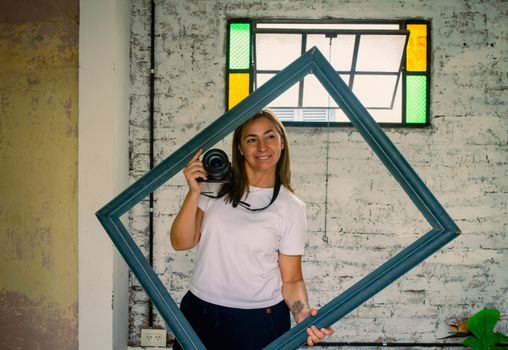
| Live Model | Shows fit, adds lifestyle/context | Higher cost, requires coordination | Lifestyle brands, social media |
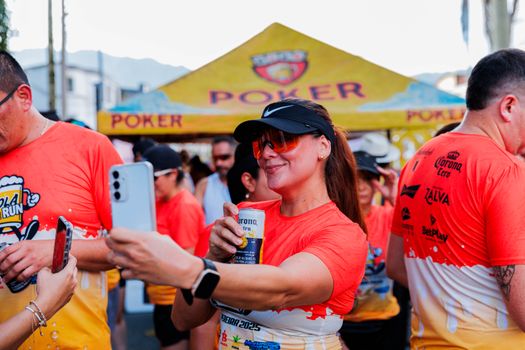
For example, a streetwear brand might opt for diverse live models in urban settings to communicate attitude and inclusivity, while a minimalist label may prefer crisp flat lays to highlight design details. Consider your audience: 68% of Gen Z shoppers say they’re more likely to buy when they see real people modeling clothing online.
2. Master Lighting to Showcase Fabric and Color Accurately
Lighting is the single most important technical factor in t-shirt photography. It can make or break your images, affecting how colors and fabric textures appear. Natural light is often ideal for beginners, as it’s soft and flatters most fabrics. Shooting near a large window on a cloudy day gives diffused, even lighting that reduces harsh shadows.
For more control, continuous LED softboxes or umbrella lights are excellent investments. Position your lights at a 45-degree angle to the t-shirt to minimize glare and bring out the weave of the fabric. Avoid mixing light sources (like sunlight and ceiling lights), as this can create unnatural color casts.
A surprising 22% of online apparel returns are due to item color not matching expectations. To minimize this, use a white balance card when setting up your camera, and calibrate your monitor during editing. Always include close-up shots that reveal fabric texture. Customers want to know if a t-shirt is lightweight, heavy, smooth, or ribbed—your photos should answer these questions at a glance.
3. Focus on Consistency and Brand Cohesion Across All Photos
Imagine a customer scrolling through your online shop: Are all your t-shirt photos shot against the same background? Are colors and lighting consistent from one product to the next? Inconsistent imagery can make your store look unprofessional and confuse customers—potentially driving them to competitors.
A 2023 BigCommerce study found that stores with visually unified product images see up to 23% higher conversion rates. To achieve consistency:
- Use the same background for all products (white, light gray, or branded color) - Set up your camera on a tripod at the same height and distance for every shoot - Record your lighting setup and camera settings for future sessions - Edit all photos using the same color correction and exposure adjustmentsFor lifestyle shots or social media, you can be more creative, but your main product images should always follow a set standard. This not only looks more professional but also helps marketplaces like Amazon and Shopify display your products more effectively in search and collections.
4. Don’t Forget Detail and Context Shots
While a great main photo is essential, supporting images that zoom in on details or show the t-shirt in context can make a big difference. According to eBay’s 2022 seller data, listings with at least 5 images per product sell 40% faster than those with just a single image.
What should you include?
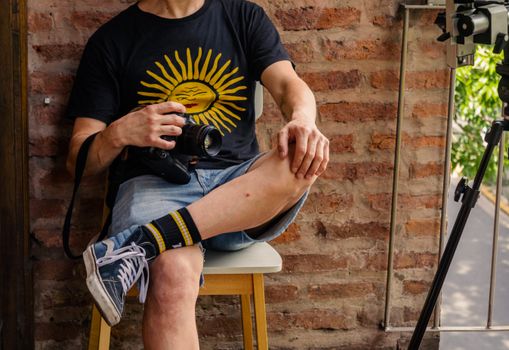
- Close-ups of print details, stitching, or unique features like labels or embroidery - Inside-out shots to show print-through or seam quality - Photos of tags or packaging for branded experience - Lifestyle/context images showing the t-shirt being worn in relevant settings (e.g., at a skate park, in a gym, on a beach)For example, if your t-shirt features glow-in-the-dark ink, include a shot under low light. If your brand focuses on eco-friendly materials, a close-up of the organic cotton weave or a photo of the recycled packaging boosts your brand story and credibility.
5. Optimize Your Images for Web and Mobile Shopping
Even the best photos won’t help if they load slowly or look pixelated on phones and tablets. With over 72% of fashion e-commerce traffic coming from mobile devices (Statista, 2023), optimizing your images is crucial.
Best practices for web-ready t-shirt photography include:
- Shoot in high resolution (at least 2000 x 2000 pixels), but export for web at 1200-1500 pixels on the longest side - Compress images to under 300 KB without visible quality loss using tools like TinyPNG or ImageOptim - Use JPEGs for main photos and PNGs for images with transparent backgrounds - Add descriptive file names and ALT text for SEO (e.g., “mens-black-vintage-band-tshirt-front.jpg”) - Test how your images look on both desktop and mobile before publishingFast-loading, sharp images not only boost user experience but also improve your search rankings and reduce bounce rates. Google’s research shows that a 1-second delay in page load time can reduce conversions by 7%—so every kilobyte counts!
Final Thoughts on Photographing T-Shirts for Online Sales
Capturing t-shirts in a way that sells isn’t just about snapping a quick photo—it’s about building trust, communicating value, and making your brand memorable. By choosing the right presentation style, mastering your lighting, maintaining visual consistency, including detail/context shots, and optimizing images for the web, you’ll create a virtual storefront that turns lookers into loyal customers.
Remember, investing in great photography pays off not just in more sales, but in fewer returns, better reviews, and a stronger brand reputation. Whether you’re a small startup or an expanding e-commerce operation, these strategies can help your t-shirts shine amid the digital noise.