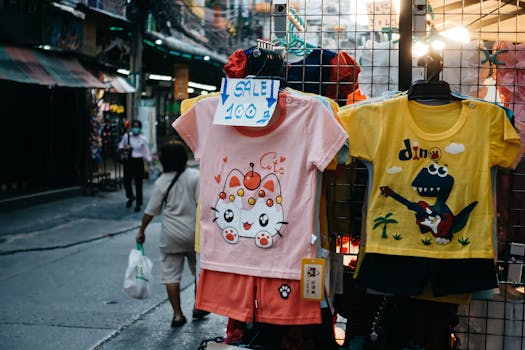
Selecting the right T-shirt sizes for your target audience is more than a simple numbers game—it’s a strategic decision that can directly impact your sales, customer satisfaction, and brand reputation. Whether you’re launching a new apparel line, organizing a promotional event, or stocking an online store, understanding how to properly choose T-shirt sizes for your audience is crucial. Sizing mistakes lead to returns, wasted inventory, and dissatisfied customers. This guide explores the key considerations, data-driven approaches, and best practices to ensure you deliver the perfect fit every time.
The Importance of Accurate T-Shirt Sizing for Your Brand
Getting T-shirt sizing right is not just a matter of comfort—it’s central to your business success. According to the National Retail Federation, incorrect sizing is the number one reason for apparel returns, accounting for up to 52% of online clothing returns in 2023. For brands, this means increased shipping costs, lost sales, and a negative customer experience. In fact, a recent Statista survey found that 62% of shoppers are less likely to buy from a brand again after a poor sizing experience.
Moreover, the rise of e-commerce and the diversity of global customers add complexity to sizing decisions. Body shapes, regional differences, and style preferences all play a role. If your T-shirts don’t fit as expected, even the best designs and highest quality materials won’t save your reputation.
Understanding Your Target Audience’s Demographics
The first step in choosing T-shirt sizes is to deeply understand who your customers are. Age, gender, geographic location, and lifestyle all influence what sizes you should offer and keep in stock.
For example, a brand targeting college students in the United States should consider that the average male wears a size Large, while the average female wears a size Medium, based on CDC anthropometric data. However, if your audience includes international buyers, be aware that average body sizes vary significantly by region. In Japan, for instance, the most common T-shirt size for men is Medium, which is often smaller than a US Medium.
Additionally, age groups influence fit preferences. Gen Z may gravitate toward oversized or relaxed fits, while baby boomers often prefer classic, true-to-size options. Gender identity and inclusivity are also important: offering unisex sizing or a broad range of fits can help you reach a wider customer base.
Analyzing Customer Data and Past Sales
One of the most effective ways to choose T-shirt sizes is to analyze your own sales data. If you have an established business, look at which sizes sell out fastest and which tend to linger in inventory. For new businesses, examine industry benchmarks or competitor data.
Here’s a sample size distribution from a mid-sized US apparel retailer in 2023:
| Size | Percentage of Sales |
|---|---|
| XS | 4% |
| S | 16% |
| M | 28% |
| L | 32% |
| XL | 14% |
| 2XL | 5% |
| 3XL+ | 1% |
This table shows that Medium and Large together make up 60% of total T-shirt sales, highlighting the importance of stocking these sizes more heavily. However, your own data may differ based on your unique market.
If you lack direct sales data, conducting a pre-order campaign or using online surveys can provide valuable insights into your audience’s size preferences. Social media polls can also offer real-time feedback.
Decoding Sizing Standards: US, EU, and Asian Sizing Differences
Sizing is not universal. A “Large” in the US may be equivalent to an “XL” in Europe or Asia. This can create confusion and dissatisfaction, especially for online customers. Understanding these differences is essential for brands with international reach.
Here’s a quick comparison of T-shirt sizing standards:
| Label | Chest Circumference (inches) | US Size | EU Size | Asian Size |
|---|---|---|---|---|
| S | 34-36 | S | 44-46 | M |
| M | 38-40 | M | 48-50 | L |
| L | 42-44 | L | 52-54 | XL |
| XL | 46-48 | XL | 56-58 | 2XL |
As shown, Asian sizes typically run one to two sizes smaller than US standards. Clearly communicating your sizing chart and providing detailed measurements (chest, length, sleeve) on product pages can reduce confusion and returns.
Using Fit Technology and Virtual Sizing Tools
With 35% of online apparel shoppers citing sizing uncertainty as a barrier to purchase, technology is stepping up to bridge the gap. Virtual fitting rooms, AI-powered size recommendations, and augmented reality (AR) tools are transforming the T-shirt buying experience.
Platforms like FitFinder or True Fit allow customers to enter their height, weight, and body shape to receive a personalized size suggestion. According to a 2022 study published in the Journal of Retailing, brands using virtual fitting tools saw a 22% drop in return rates and a 10% increase in conversion rates.
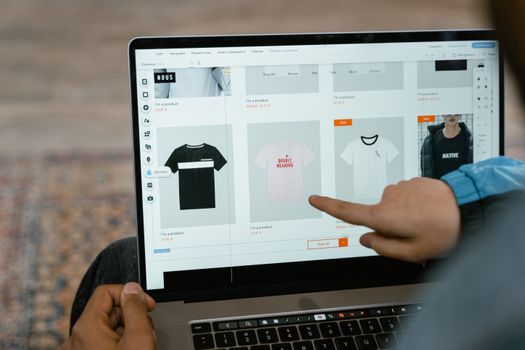
Even if you don’t have the resources to integrate advanced tech, simple enhancements—like detailed product photos, user-submitted fit reviews, and comprehensive size charts—can dramatically improve customer confidence.
Customizing Sizing for Special Audiences or Events
Not all audiences have the same sizing needs. For example, athletic teams may require more XL and 2XL shirts, while youth-focused brands should stock more XS and S. Events or group orders—such as corporate giveaways, charity runs, or bachelorette parties—call for a tailored approach.
One best practice is to ask group organizers or event participants for their size preferences in advance. For bulk orders without prior size information, industry norms suggest the following ratio for adult unisex T-shirts:
- Small: 1 part - Medium: 2 parts - Large: 2.5 parts - XL: 1.5 parts - 2XL: 1 partAdjust these ratios based on the specific group demographics. For instance, a women’s wellness retreat may require more small and medium sizes, while a construction company’s order will likely need more large and extra-large shirts.
Communicating Sizing Clearly to Your Customers
No matter how carefully you select your size range, clear communication is key. According to Shopify, brands that provide detailed sizing information see up to 30% fewer returns. Here are actionable tips:
- Include both numeric measurements and size labels (e.g., “Chest: 40 inches = Medium”) - Display the model’s height and size in product photos - Use diagrams or fit guides to show where to measure - Offer a “fit feedback” section where customers can share if the T-shirt runs small, large, or true to sizeTransparency about shrinkage (for cotton tees) and fit style (slim, classic, relaxed) also helps customers make the right choice.
Key Takeaways for Choosing T-Shirt Sizes Wisely
Choosing the right T-shirt sizes for your audience is a blend of data analysis, demographic understanding, and clear communication. By leveraging your customer data, researching regional standards, and using the latest sizing technologies, you can reduce returns, improve customer satisfaction, and build a stronger brand reputation.
Remember, there’s no such thing as a “one-size-fits-all” approach in apparel. Continually gather feedback, monitor trends, and adjust your size offerings to reflect your audience’s evolving needs. The result? Happier customers, fewer returns, and a thriving T-shirt business.